Thrill deposit guide for coins, networks and fees
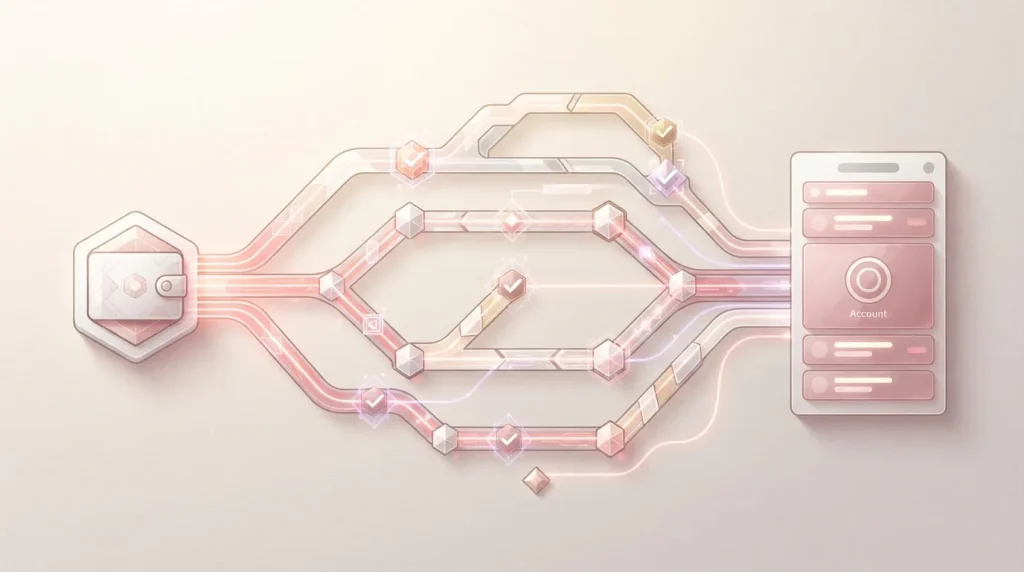
Table of Contents
- Thrill offers 15 assets, while the network choice controls the route
- A pre-send check catches the expensive errors before they reach the chain
- The platform fee can be zero while the full deposit still has a cost
- A practical deposit sequence keeps the cashier and wallet in sync
- Most deposit problems come from route selection rather than the asset list
- Questions about Thrill deposits
- Thrill deposits work best with a network-first routine
Section element
Crypto deposit guide
Thrill supports 15 crypto assets across a multi-chain setup. The practical job is not simply choosing a coin; it is matching the asset and network shown in the cashier, checking the transfer cost, and treating the destination address as irreversible once the transaction is sent.
Section element
- Supported assets15 crypto assets
- Network modelMulti-chain
- Deposit floorAround $10 in independent coverage
- Platform transfer feeNone; network fee remains
A deposit is the point where two systems meet: the Thrill cashier and the blockchain wallet you control. The main Thrill payments guide covers the broader cashier model; this deposit guide focuses on what to check before value leaves your wallet. If the transfer later needs to come back out, the withdrawal guide separates blockchain timing from account review.
Thrill offers 15 assets, while the network choice controls the route
Thrill supports BTC, ETH, USDT, USDC, DAI, LINK, SHIB, LTC, DOGE, TRX, BNB, SOL, POL (MATIC), BCH and XRP. Its network coverage includes Bitcoin, Ethereum, Tron, Solana, BNB Chain, Polygon, XRP Ledger, Arbitrum and Litecoin, and USDT is available on several networks.
| Deposit element | Thrill context | What to verify before sending |
|---|---|---|
| Asset | 15 supported crypto assets | The selected coin matches the cashier request |
| Network | Multi-chain support across nine named networks | The wallet network matches the cashier network exactly |
| USDT | Available on several networks | The specific USDT network shown for that deposit |
| Deposit amount | Independent coverage cites around $10 | The live minimum shown for the selected route |
| Transfer cost | No platform fee; blockchain fee remains | The wallet’s current network fee before broadcast |
The important distinction is between the asset name and the transfer rail. Two deposits can both be denominated in the same token yet travel over different networks. A wallet therefore needs to match both pieces of information, not just the ticker symbol.
A pre-send check catches the expensive errors before they reach the chain
The safest deposit routine is deliberately repetitive. Multi-chain support is useful because it gives more routing options, but every additional route also creates another chance to select a network that the receiving address is not expecting.
- Choose the asset inside the Thrill cashier first, then open the corresponding asset in your wallet.
- Match the network shown in the cashier to the network selected in the sending wallet.
- Check the current minimum rather than relying on a remembered dollar figure.
- Review the network fee in the wallet before sending, because the blockchain fee is separate from Thrill’s platform fee policy.
- Recheck the destination address after pasting it and before signing the transaction.
- Keep the transaction hash so the transfer can be traced on the relevant chain if the balance does not appear when expected.
A small test transfer can reduce the amount exposed to an addressing mistake, but it also creates a second network fee. Whether that trade-off is sensible depends on the network fee and the amount being moved; the cashier and wallet should supply those live values.
Account preparation also matters. Thrill begins with email-based registration, while risk-based checks can arise later in the account lifecycle. The account guide explains why keeping access to the signup email and a clear wallet trail is useful before deposits and cashouts start to accumulate.
The platform fee can be zero while the full deposit still has a cost
Thrill does not add a platform fee to crypto transfers, but that does not make every deposit free. The sending wallet still applies the fee required by the selected blockchain. That fee belongs to the network transaction rather than to the casino balance.
Wallet-to-wallet crypto
The visible cost is primarily the blockchain fee shown by the sending wallet. Network conditions and transaction format affect that amount.
Third-party fiat on-ramp
Thrill lists third-party on-ramp options including MoonPay and Swapped. Independent coverage cites service charges around 3.5–4% for this route.
Price movement
If the crypto price moves between purchase, deposit and later withdrawal, the fiat-equivalent value can change even when the token amount does not.
The fiat on-ramp is therefore a different cost stack from sending crypto you already hold. With an on-ramp, the quoted service charge sits alongside the market price and any transfer mechanics used by the provider. Read the provider quote as a complete transaction before confirming it rather than comparing only the headline deposit amount.
It also helps to separate the amount you intend to place in the casino from the amount your wallet actually sends. A network fee can reduce the balance left in the wallet without changing the deposit request, while price movement can change the fiat-equivalent value during the same period. For a clean record, note the token amount, network and transaction hash instead of relying only on a fiat conversion shown at one moment. Those three details remain useful even when the market price later changes.
A practical deposit sequence keeps the cashier and wallet in sync
- Open the Thrill cashier and choose the crypto asset you want to deposit.
- Select the network offered for that deposit route and keep that network visible.
- Copy the destination address from the cashier into the sending wallet.
- Choose the same network in the wallet, then enter an amount that meets the current cashier minimum.
- Review the destination, network and wallet fee together before signing the transaction.
- Save the transaction hash and wait for the relevant blockchain confirmation before treating the deposit as complete.
The sequence matters because a blockchain transaction has two separate milestones: broadcast and confirmation. A wallet can show that a transaction has been sent while the receiving platform is still waiting for the chain to confirm it. That gap is normal network behavior and is different from a cashier rejecting the route or an address mismatch.
Most deposit problems come from route selection rather than the asset list
Keep these details aligned
- Asset selected in the cashier
- Network selected in the wallet
- Destination address copied from the current deposit screen
- Amount above the current route minimum
These shortcuts create avoidable risk
- Reusing an old deposit address without checking the current cashier
- Assuming every version of the same token uses the same network
- Reading a network fee as a Thrill platform charge
- Ignoring price movement when comparing crypto and fiat-equivalent values
Once a transfer has been sent to the wrong chain or wrong destination, the fact that Thrill supports the underlying asset does not guarantee recovery. The receiving route has to match the transaction that was actually broadcast.
A useful way to read a deposit before sending it is to separate four details: the asset, the network, the destination address and the amount that will leave the wallet. The asset name alone is not enough when the same token can travel on more than one network. The cashier route and the sending-wallet route need to match, and the wallet should show its own network fee before the transaction is signed. After broadcast, the transaction hash becomes the clearest reference for tracing what happened on-chain. This sequence does not remove market movement or third-party on-ramp charges, but it keeps those costs distinct from a routing mistake. It also makes later support questions easier to frame because the deposit can be described by token, chain, address and hash rather than by a fiat estimate that may already have changed.
Questions about Thrill deposits
Which cryptocurrencies can I deposit at Thrill?
Thrill supports 15 crypto assets: BTC, ETH, USDT, USDC, DAI, LINK, SHIB, LTC, DOGE, TRX, BNB, SOL, POL (MATIC), BCH and XRP.
What is the minimum Thrill deposit?
Independent coverage cites a deposit floor around $10. Because the exact asset and network matter, check the current cashier before sending a transfer.
Does Thrill charge a crypto deposit fee?
Thrill does not add a platform fee to crypto transfers, while the relevant blockchain network fee still applies. Third-party fiat on-ramp services can add their own service charge.
Can I buy crypto for a Thrill deposit with fiat?
Thrill uses third-party on-ramp services including MoonPay and Swapped. Independent coverage cites service charges around 3.5–4%, so review the provider quote before confirming a purchase.
Why does the network matter for a Thrill deposit?
Thrill supports multiple blockchain networks. A transfer must use the asset and network shown in the current cashier; sending the right coin on the wrong network can make recovery difficult or impossible.
Thrill deposits work best with a network-first routine
Thrill’s 15-asset, multi-chain setup gives users several ways to fund an account, and the platform does not add its own crypto transfer fee. The trade-off is operational: the coin, network, address and live minimum all need to agree before the transaction leaves the wallet.
Use the cashier as the source for the current route, use the wallet to verify the matching network and fee, and keep the transaction hash after broadcast. That simple sequence reduces the main avoidable risks without turning network flexibility into guesswork.